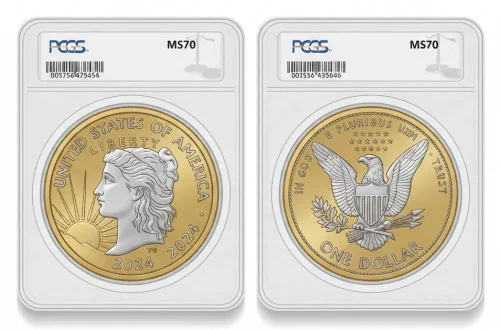
Valuable, rare quarters may appear almost anywhere, their worth often decided by the silver content in the metal mixture before 1965 or by special production flaws and low numbers of coins made.
Finding success in this hobby requires patience, a thorough understanding of significant coins, and applying the correct search plan.
Circulation
The easiest and cheapest way to start searching involves checking the change you receive every day, demanding little effort or financial spending from the collector.
Valuable coins often return to circulation when people who are not collectors use old family savings or simply fail to notice valuable samples.
Examine coins received at these places:
- Stores and large markets
- Gas stations and small cafes
- Self-service machines and coin changers
The main goal when checking daily money circulation involves searching for silver quarters.
All coins issued before 1965 are 90% silver.
Since 1965, coins have been made using a copper-nickel metal mixture, which makes them less valuable as a metal.
How do I find silver coins? Look for coins from 1964 or an earlier issue date
Copper-nickel coins have a clear copper stripe on the side, while silver coins have a uniform silver color on the entire side.
Silver coins seem heavier and emit a clearer and higher-pitched sound when dropped compared to newer coins.
Besides silver, people should look for quarters with making mistakes or low production numbers, including some coins from the “States and Territories” series (1999–2009) or the “America the Beautiful” series (2010–2021).
For example, the 2004 Wisconsin State quarter has known types showing an extra corn leaf.
For searching effectively in daily circulation, people must carry a small glass for looking closely and a pocket book listing main dates and known flaws. Checking all quarters that come to you constantly raises the chance of making a good find.
Searching Bank Rolls
Searching for coins in bank rolls, commonly called Coin Roll Hunting (CRH), stands as the most common method used by active collectors.
This work means buying sealed or hand-wrapped coin rolls from banks, looking at every coin inside, and later exchanging the empty rolls for new ones.
Utilizing this method offers access to a large volume of coins, possibly staying out of daily money movement for a long time.
The process for searching in rolls:
- Order boxes or large amounts of quarter rolls from a large bank, with banks typically selling coins for their face value.
- Unroll each roll, looking for silver coins, coins with making flaws, and coins in excellent condition, showing high preservation.
- Separate the unusual coins found and the remaining coins holding no special worth.
- Return the worthless coins to a different bank or bank branch than the one where the coins were bought.
- Using separate banks for buying and returning holds significance, preventing the same checked coins from coming back and avoiding upsetting bank staff.
Coins to search for in rolls:
- All Washington coins before 1965 stand out clearly from the duller copper-nickel coins.
- Especially Double Die, off-center strikes, and mint errors, for example, missing mint marks on some coins.
- Look for specific issues with small production numbers.
Processing one box of quarters, typically holding 50 rolls or $500 in face value, requires many hours.
How well the search works depends on how long the coins stayed in rolls or in old collections.
Rolls wrapped by hand may contain coins from someone’s old collection, often proving more successful than rolls sealed by a machine.
Bank
Banks provide the main supply of quarters for searching.
Your plan must include creating a good relationship with the bank staff.
A plan for dealing with the bank:
- Use several banks for buying and exchanging coins, minimizing the chance of getting the same checked coins back, and allowing you to compare their available money.
- Always ask for coins in boxes, not rolls, ensuring you receive coins not yet checked by other collectors.
- People can sometimes ask the teller to check if they have “any old” or “interesting” rolls not included in regular orders.
Always exchange the coins in rolls, using normal paper or plastic wrappers, making sure you do not cause extra work for the tellers.
| Year of Release | Mint | Estimated Price |
| 1932 | D (Denver) | $120 – $450 |
| 1932 | S (San Francisco) | $120 – $450 |
| 1936 | D (Denver) | $25 – $100 |
| 1940 | D (Denver) | $15 – $50 |
| 1950 | D (Denver) | $10 – $40 |
Note: Price changes greatly depending on how well the coin is preserved. UNC means Uncirculated, showing the coin was never used as money. These are only estimated prices, not including extra collector payment or making flaws.
Auctions
Auctions and special online sites are places that sell coins already found and identified as rare, including samples having certificates of authenticity and grading.
Following this method suits collectors prepared to spend large amounts of money on specific, verified samples.
Types of Auctions and Sites
Sites like eBay let people find both single coins and whole collections. People need caution due to the possibility of fake items and too-high prices.
Large companies, such as Heritage Auctions or Stack’s Bowers Galleries, sell only certified, high-quality, or truly rare coins.
Sales through websites and shops belonging to professional dealers, where prices are set, but coins usually come with a guarantee of being real.
What to Look for at Auctions
Samples valued by independent expert groups like coin value app, PCGS, NGC, ANACS, giving a certificate guaranteeing the coin is real and noting the level of preservation, which is necessary for expensive coins.
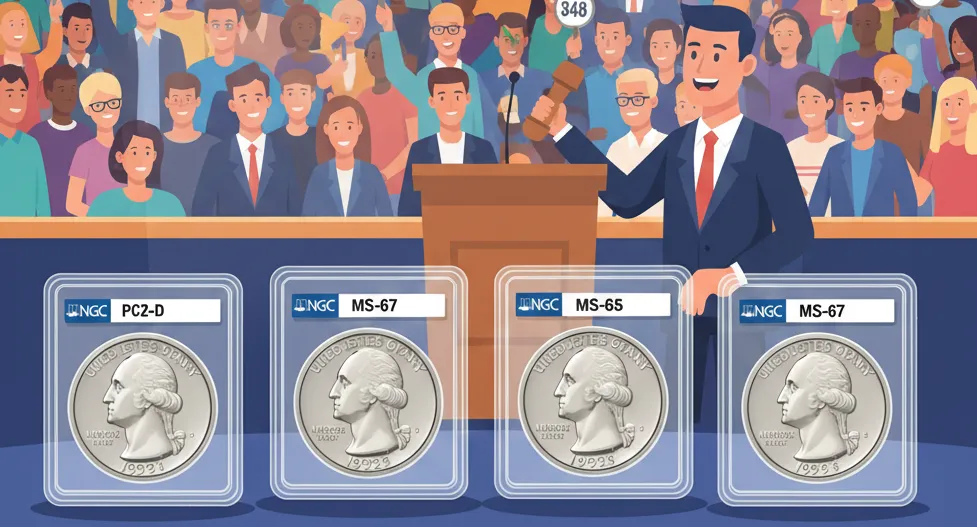
Coins whose value is fully decided by a making mistake, such as a strong doubling of the image, a striking error, or a planchet flaw.
Coins made in small numbers, becoming almost impossible to find in daily use due to their high price.
Buying at auctions requires a deep understanding of the market, helping avoid spending too much money.
People must study the past sales history of similar items and know the system for evaluating coin preservation levels.
Always check seller ratings and return rules, especially on online sites.
At auctions, people pay the highest price, but gain the greatest certainty about the quality and rarity of the coin.
Garage Sales and Estate Sales
Garage sales, flea markets, and estate sales offer a special chance to find coins stored in private collections for a long time, often without knowing their real monetary worth.
- Unlike bank rolls or auctions, here you compete with regular shoppers, not with coin experts.
- Coins are often sold in large groups, as “old change” or “contents of a box.” These groups may contain coins collected by someone but never correctly valued.
- Prices are often open to discussion, allowing people to buy potentially valuable coins for less than their market worth.
A plan for searching for sales:
- Feel free to ask the owners if they have any old coins, even if none are openly displayed. Coins often sit in back drawers or albums.
- Look for old coin albums, boxes marked “US Coins,” old wallets, or small wooden boxes.
- The value of a discovery often rests not in one coin, but in old sets, rolls wrapped in paper, or themed collections remaining untouched.
When searching at garage sales, people must have some money ready and make quick decisions. Knowing significant dates and mint marks for fast visual scanning holds necessary value because little time is available for detailed study, so that you can identify coins yourself.
This method requires a lot of driving and luck, but often leads to the most surprising and profitable finds.
In conclusion, finding rare quarters includes many steps. The search may be low cost and high volume when working with daily money and bankrolls, or targeted and expensive when taking part in auctions.
New collectors should start by checking change and bank rolls.
Only after gaining experience and knowledge should people move to harder and more costly methods, such as auctions, to help prevent financial loss.
Patience and a planned approach stand as your best tools in the world of coin collecting.